



How Restaurant Design Improves Guest Experience
Walk into a restaurant, and you've judged it before anyone hands you a menu. The light, the noise, the seat you're shown to, whether the room feels alive or awkward, your guests do the same thing to you, every service, within seconds. That snap judgment is design at work, and it sets the bar that the food then has to clear. So when you plan a restaurant, furniture and finishes are the smallest part of

6 Best Luxury Villa Rental Companies in Europe
The landscape of global travel has undergone a profound structural shift as we move through 2026. For the modern elite traveler, the traditional allure of grand hotel lobbies and standardized five-star service has been superseded by a quest for what sociologists now call "residential seclusion." This trend reflects a desire to inhabit private, architecturally significant, and culturally rooted estates that function as fully serviced personal sanctuaries. In Europe, a continent defined by its diverse heritage
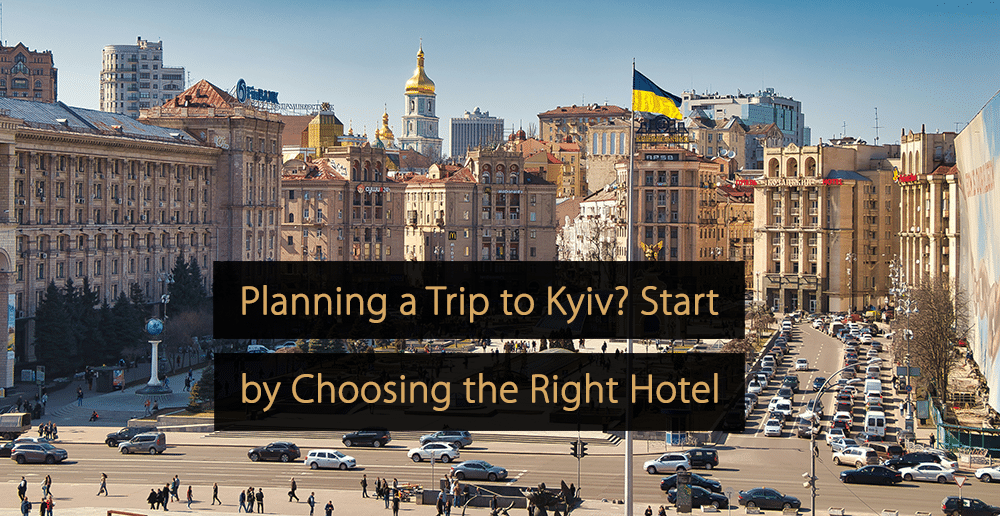
Planning a Trip to Kyiv? Start by Choosing the Right Hotel
Talk to anyone who's been to Kyiv more than once, and they'll tell you the same thing: don't pick your hotel based on star rating. Pick it based on the neighborhood. That's good advice in most cities, but it matters even more here. Kyiv is built across hills overlooking the Dnipro River, and each district has its own distinct feel. Stay in the Upper City and your mornings will probably involve wandering between centuries-old cathedrals,

Mountain Biking in Peru: Machu Picchu at Bike Pace
Mountain biking in Peru offers a slower, more physical way to understand the land around Machu Picchu. Instead of passing through the Sacred Valley by train, riders can move through high-altitude routes, rural villages, lagoons, Inca stone paths, and technical descents at their own pace. From easy e-bike rides near Cusco to demanding enduro trails in Lamay and Maras, the journey adds depth, movement and adventure before reaching Peru’s most famous archaeological site. Why Mountain

What to Pack for Okinawa: A Traveler’s Season-by-Season Checklist
Here is the first thing you should know before you fly south to Okinawa: whatever you would normally pack for "Japan," you may need to rethink. Okinawa is not Tokyo, and it is not Kyoto. It sits far to the south in the subtropics, closer in feel to a Pacific island than to mainland Japan. That means heat, humidity, strong sun, sudden showers, and warm water for most of the year. So if you are working out how to pack for a trip to Okinawa, the standard Japan packing list you might use for destinations farther north can steer you

Diversifying Wealth: Why Investors Choose Hotel Funds
Creating a financial portfolio that is resilient needs proper capital allocation among tangible and stable investment assets. Current high-net-worth individuals are increasingly considering commercial real estate and international hospitality as ways of protecting their wealth against inflation risks and capital appreciation. Knowledge about the workings of these structured investments will aid you in formulating an optimal wealth management strategy for ensuring financial security in the changing global environment. What Are Regulated Hotel Development Funds? Regulated

Corporate Event Video Marketing for Hospitality Brands
Every week, hotels, resorts, and event venues host corporate gatherings that represent thousands of dollars in production value: staging, lighting, catering, entertainment, and a room full of engaged guests. And every week, most of that value evaporates the moment the last attendee leaves. The event happened, the client was happy, and the only evidence is a handful of phone photos on someone's camera roll. For hospitality brands, this is one of the most expensive missed

How Guest Experience Drives Hotel Revenue (and How to Maximize It)
From discovering your hotel to booking a room, from checking in to ordering room service — the guest experience isn’t a set of isolated touchpoints. It’s a journey. One that shapes how your brand is perceived and directly impacts your bottom line. Turning Happy Guests into Higher Profits The connection

Why “Travel-Ready” Guests Are Becoming a New Hospitality KPI
For years, hotels have measured the guest journey from booking confirmation to post-stay review. Yet a growing part of the experience now happens before the guest even reaches the airport. Entry requirements, digital forms, health declarations, payment confirmations, airport tax rules, and airline checks all sit outside the hotel's direct

From Forms to Foresight: Why Pre-Arrival Data Is the Next Guest Experience Advantage
Hospitality leaders often talk about personalization as if it begins when the guest walks through the door. In practice, the most useful signals appear much earlier: when the traveler books, prepares documents, checks airline rules, arranges transfers, shares arrival times, and decides what they need from the destination before they