



Hotel Review Websites and Online Reputation Management Tips
Hotel review websites play a critical role in today's digital-first landscape. Crucially, they are no longer just a platform for customers to explore options; they can also serve as vital platforms for marketing and reputation management. Managing your reputation on these platforms is important because guests often check online reviews before booking a hotel. You want to make sure they see positive reviews and professional, constructive replies to criticism. In this article, you can explore
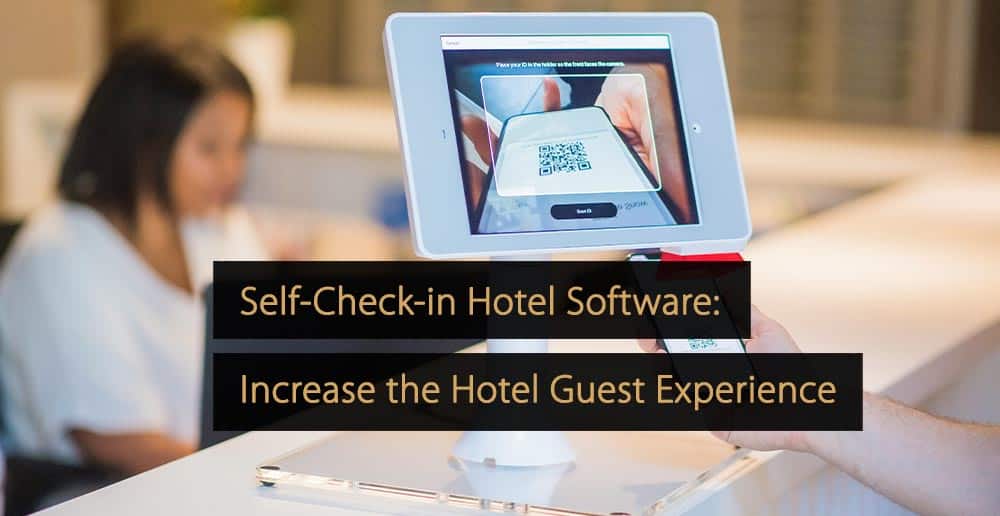
Self-Check-in Hotel Software: Increase the Hotel Guest Experience
Self-check-in hotel solutions can help to improve the guest experience within hotels, while also making life easier for your front desk employees. In this article, you can learn all about self-check-in hotel technology, explore the different options available, gain an appreciation of the benefits and find out about the most advanced options. Table of Contents: What is the Hotel Industry? Why is Focusing on the Hotel Guest Experience Important? What is Self-Check-in Hotel Software? Self-Check-in

Enjoying Boston on a Budget
Boston has a reputation for being expensive, but it's actually perfectly possible to have a lot of fun in Boston on a budget. If you balance your finances well (for example, offsetting accommodation costs by taking advantage of the city's walkability), you can have a full and productive trip to Boston without overspending. In this article, you'll learn how. Pick the Right Area to Stay In Core areas of Boston, like Back Bay and Beacon
Travel Smarter: How Technology Is Changing Car Rental Services
The tourism industry is always the first to embrace new technologies. People have become accustomed to buying plane tickets with a few taps, going through security with a facial recognition scan, and opening hotel rooms with a smartphone. But car rentals have long lagged behind. Remember those endless lines at the airport counters, the mountains of paperwork, and the hassle of getting keys – pure conservatism. But over the past couple of years, things have

How to Choose the Best Vacation Rental Channel Manager
Choosing the right channel manager is one of the more important technology decisions a growing vacation rental business will make. As soon as a property is listed on more than one booking platform, keeping calendars, rates, and availability aligned becomes a daily task, and the tool you rely on to do that has a direct effect on how smoothly your business runs. Picking the right one can save hours of work each week and prevent the kind of mistakes that are difficult to undo. Why the Right Channel Manager Matters A channel manager keeps your listings synchronized across the platforms

How Hotel Leaders Can Protect GOPPAR in a High-Cost Market
For years, hotel strategy has run on one assumption: grow RevPAR, and profit takes care of itself. That link is weakening. Revenue is holding steady across most markets, but costs are not, and GOPPAR is under pressure even where the top line looks healthy. For revenue and commercial leaders, the job is shifting. It's no longer only about driving more demand. It's about making sharper decisions on the demand you already have, weighing what each

How AI Agents in Housekeeping are Improving Room Readiness
AI agents in hotel housekeeping are software systems that read live operational data, prioritize cleaning work, take approved actions, and escalate exceptions on their own. An AI agent is software that pursues a defined goal without waiting for instructions. In housekeeping, the goal is to have every room ready at the right moment with the fewest wasted labor minutes. Key Takeaways: AI agents are creating value by coordinating room readiness decisions, not replacing the physical

Mountain Biking in Peru: Machu Picchu at Bike Pace
Mountain biking in Peru offers a slower, more physical way to understand the land around Machu Picchu. Instead of passing through the Sacred Valley by train, riders can move through high-altitude routes, rural villages, lagoons, Inca stone paths, and technical descents at their own pace. From easy e-bike rides near

Luxury Mobility and Hospitality For Modern Affluent Travelers
Luxury travel is no longer judged by the hotel room alone. Modern affluent travelers expect every part of the journey to feel seamless, private, personalized, and efficient. From airport pickup to city transfers, mobility now plays a major role in shaping the guest experience. For hotels, tourism brands, and concierge

Premium Safari Pricing Strategies for Niche Tourism
Premium safari pricing is shaped by scarcity, seasonality, government fees, and the promise of a once-in-a-lifetime experience. For operators, the challenge is not simply charging more, but protecting margins while keeping guests confident about value. From Masai Mara park fees to changing traveler expectations, every cost and detail affects the