



Cheap Business Class Flights: How Premium Cabins Deliver ROI for Corporate Travel
Many corporate travel programs still evaluate business class mainly by comparing its price to economy, not by what the trip requires the traveler to do on arrival. As a result, long-haul flights are often booked at the lowest available fare, even when travelers are expected to go straight into meetings or site visits. When Lower Fares Deliver Higher Business Travel Value On time-sensitive itineraries, that decision can create higher costs elsewhere. A traveler arriving from
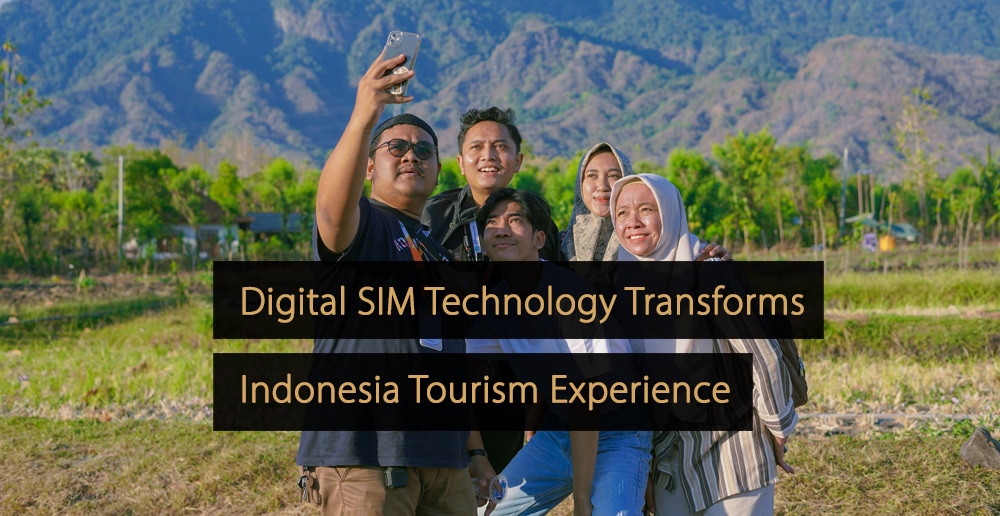
How Digital SIM Technology Is Transforming Connectivity for Indonesian Travel and Tourism
Indonesia is not a straight-line place. It is a nation of detours. Between islands and cities, you're between two worlds that are not always as connected as their positions on the map may indicate. Imagine a trip there. You might start in Jakarta and then board a plane to Bali. Next thing you know, you're on a boat to Lombok. After that, you're off to somewhere more spontaneous where plans are less specific. That style

Hotel Personalization Need Not Be Obsessive for Guests
Personalization has become one of the most discussed concepts in hospitality. Hotels are under pressure to deliver tailored guest experiences, yet many struggle to implement personalization effectively. The missing step is often segmentation. Before hotels attempt to personalize every interaction, they must understand who their guests are and which groups matter most to the business. Clear segmentation helps hotels communicate more effectively, allocate marketing resources wisely, and design experiences that match guest expectations. In this

Choose to Be Chosen: How Hoteliers Use AI to Stay Ahead of Hospitality Trends
The hospitality industry is evolving rapidly, with shifting guest expectations and unpredictable market conditions challenging traditional approaches. Hotels can no longer rely solely on historical data or manual strategies to remain competitive. Artificial intelligence is emerging as a powerful tool that helps hoteliers respond faster, personalize guest experiences, and optimize revenue decisions in real time. By integrating AI into daily operations, hotels gain deeper insight into guest behavior and market trends. In this article, you'll

How Hotel Leaders Can Protect GOPPAR in a High-Cost Market
For years, hotel strategy has run on one assumption: grow RevPAR, and profit takes care of itself. That link is weakening. Revenue is holding steady across most markets, but costs are not, and GOPPAR is under pressure even where the top line looks healthy. For revenue and commercial leaders, the job is shifting. It's no longer only about driving more demand. It's about making sharper decisions on the demand you already have, weighing what each booking actually contributes to profit. Why RevPAR No Longer Guarantees Profit For years, hotel revenue strategy has been anchored to a simple idea: increase RevPAR,

Travel Smarter: How Technology Is Changing Car Rental Services
The tourism industry is always the first to embrace new technologies. People have become accustomed to buying plane tickets with a few taps, going through security with a facial recognition scan, and opening hotel rooms with a smartphone. But car rentals have long lagged behind. Remember those endless lines at the airport counters, the mountains of paperwork, and the hassle of getting keys – pure conservatism. But over the past couple of years, things have

10 Lessons for Successful Hotel Tech Transformations
Most hotels recognize the need for modern technology. But far fewer understand how to implement it successfully. In reality, transformations are rarely about technology alone. Without clear communication, strong leadership, and structured training, even the best systems can fall flat. In this article, we explore ten lessons from hotels that have successfully navigated major technology changes – and what you can learn from their approach. 10 Key Lessons for Successful Hotel Tech Transformation These lessons

How Personal Branding Can Help Drive Hotel Sales Revenue?
Question for Our Hotel Marketing Expert Panel Why is personal branding essential for hospitality sales professionals to build strong client relationships and drive B2B revenue? (Question by Cory Falter) Our Marketing Expert Panel Cory Falter - Partner, Lure Agency Pablo Torres -
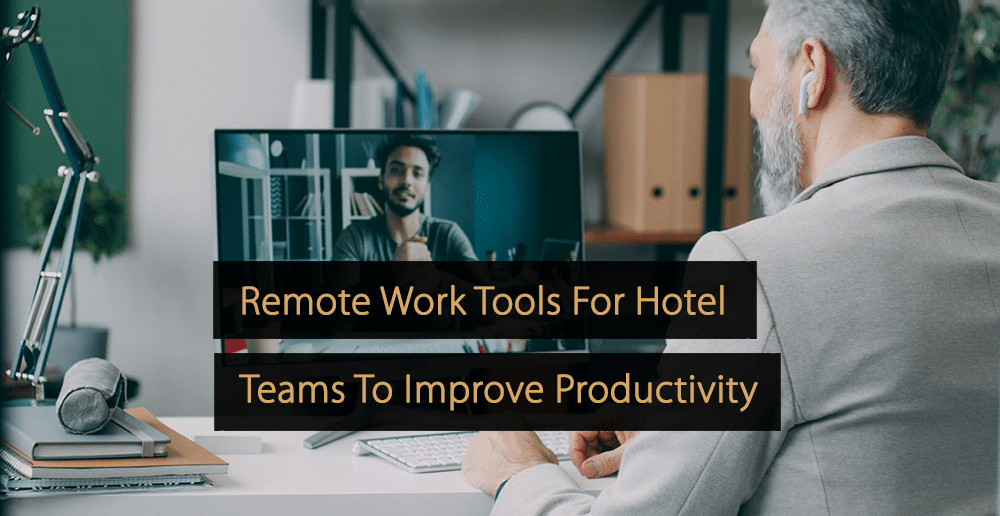
Remote Work Tools For Hotel Teams: Improving Productivity Beyond The Office
Remote work is changing how hotel teams communicate, plan, and complete daily tasks. While hotels still depend on in-person service, many behind-the-scenes activities can now be managed from different locations, departments, or workstations. The right tools help staff share updates, track responsibilities, access documents, and stay connected without slowing operations

Revenue Beyond Rooms: A Guide to Maximize Total Guest Value
Hotel revenue management is no longer limited to pricing rooms and protecting RevPAR. Rising costs, changing guest behavior, and growing demand for experiences are pushing hotels to rethink where revenue comes from and how value is captured. Today, guests spend across multiple touchpoints, both on and off property, creating new