



Raja Ampat or Komodo? A Practical Liveaboard Guide for Better Dive Travel Decisions
Indonesia offers some of the most remarkable liveaboard diving experiences in the world, yet choosing between Raja Ampat and Komodo can be challenging for travelers and tourism professionals alike. Both destinations promise spectacular marine life, dramatic landscapes, and memorable underwater encounters. However, they deliver very different experiences depending on seasonality, travel logistics, diver confidence, and guest expectations. Understanding these differences helps hospitality professionals recommend the right destination for the right traveler. In this article, you
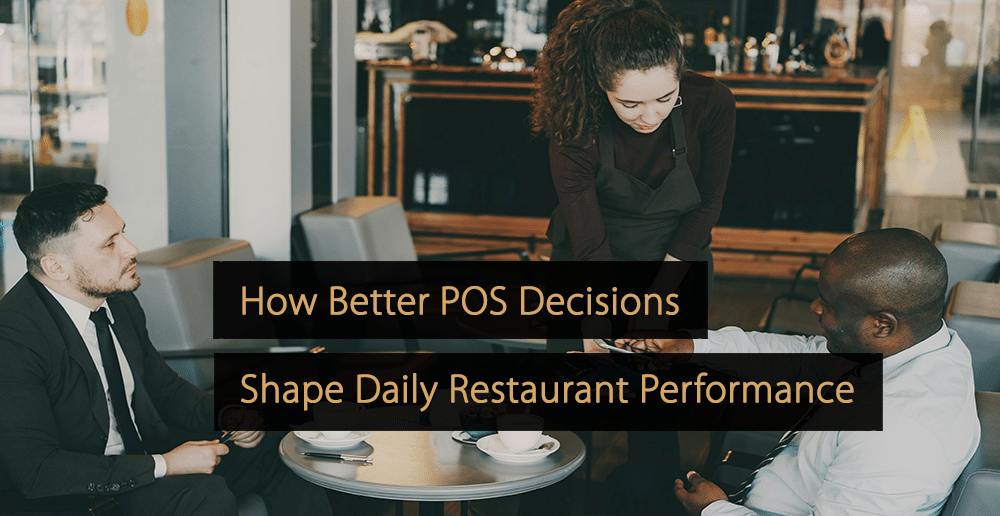
How Better POS Decisions Shape Daily Restaurant Performance
A restaurant does not succeed because it installs new technology. It succeeds when the team uses the right tools to reduce friction, support staff, and create a smoother guest experience from the first order to the final payment. In modern restaurants, the point of sale system (POS) has become far more than a checkout tool. It now plays a central role in service flow, communication between teams, and daily operational visibility. In this article, you

Komodo Island: Where to Stay – A Practical Hospitality Guide
Komodo has quickly become one of Southeast Asia’s most remarkable travel destinations, attracting visitors drawn by dramatic landscapes, marine biodiversity, and the chance to see Komodo dragons in the wild. Yet planning a stay here requires more thought than choosing a typical beach hotel. For hospitality professionals, that question is equally important because understanding where guests should stay helps hotels, resorts, and tour-linked properties position their value more clearly and serve visitors with greater confidence.

Nusa Penida Manta Experience and What It Teaches Hospitality Leaders
Nusa Penida has become one of Indonesia’s most recognizable marine destinations that attracts travelers eager to see manta rays in their natural habitat. Yet the Manta Point experience reveals more than dramatic underwater encounters. For hospitality professionals, that matters because dive guests are not only buying an excursion. They are investing in trust, timing, service quality, and the promise of a meaningful experience in one of the world’s most visually powerful marine destinations. In this
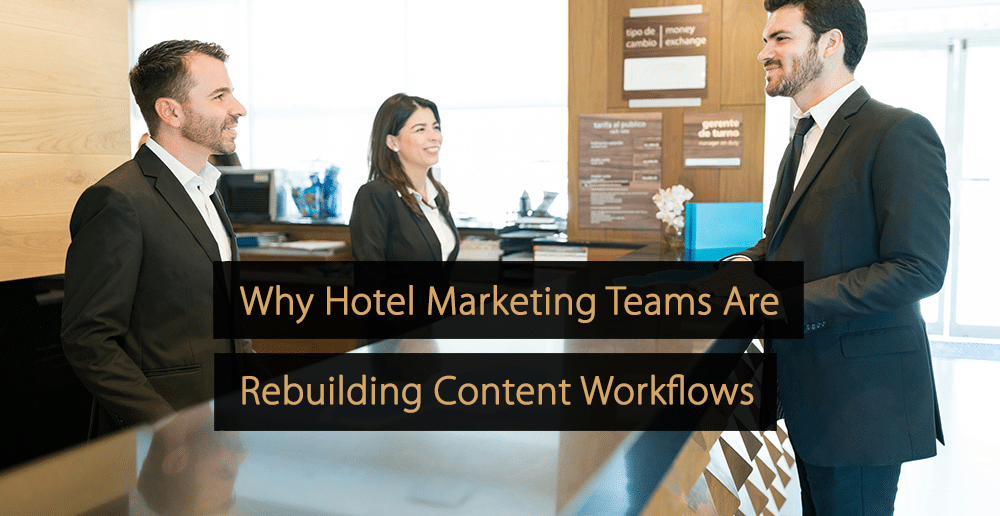
Why Hotel Marketing Teams Are Rebuilding Their Content Workflows
Hotel marketing content used to mean a website page, a seasonal email, and maybe a blog post once a month. That's changed. Guests now expect fresh, relevant content across a dozen channels at once, and the old way of producing it just can't keep up. Here's what's driving the shift, and what you can do about it. What Changed in Hotel Content Demands A few years ago, one marketer could reasonably manage a property's entire content output. Now you're expected to keep the website updated, respond to reviews across multiple platforms, post daily on social media, run email campaigns, and

Discover Examples of Artificial Intelligence (AI) in the Hotel Industry
AI in hotels describes the use of artificial intelligence technology in the hotel industry. This technology is increasingly used to automate processes, analyze vast amounts of data, and deliver next-level personalization. Modern AI technology has become a significant benefit for the industry as it deals with challenges like labor shortages and rising costs. AI can also be used to reduce human error, which can enhance your hotel's reputation. In this article, you can take a

Top Sites Like Airbnb That Can Help Hoteliers Maximize Bookings
Sites like Airbnb represent an important expansion in peer-to-peer rental options. Airbnb sparked huge changes in the hospitality sector by first introducing the model. However, websites like Airbnb are becoming more common and offer innovative and unique opportunities for owners and travelers alike. Likewise, as a hotel owner, they're both a source of inspiration and your competition. In this article, you'll discover the most important sites, their effect on the hospitality sector, and methods to

Are Revenue Managers the New Risk Managers?
Revenue managers have traditionally worked toward a fairly straightforward goal: maximize revenue. That meant pushing rates when demand was strong, filling rooms when it softened, and staying one step ahead of the competition. But in 2026, that playbook is becoming harder to rely on. From Revenue Growth to Profit Protection
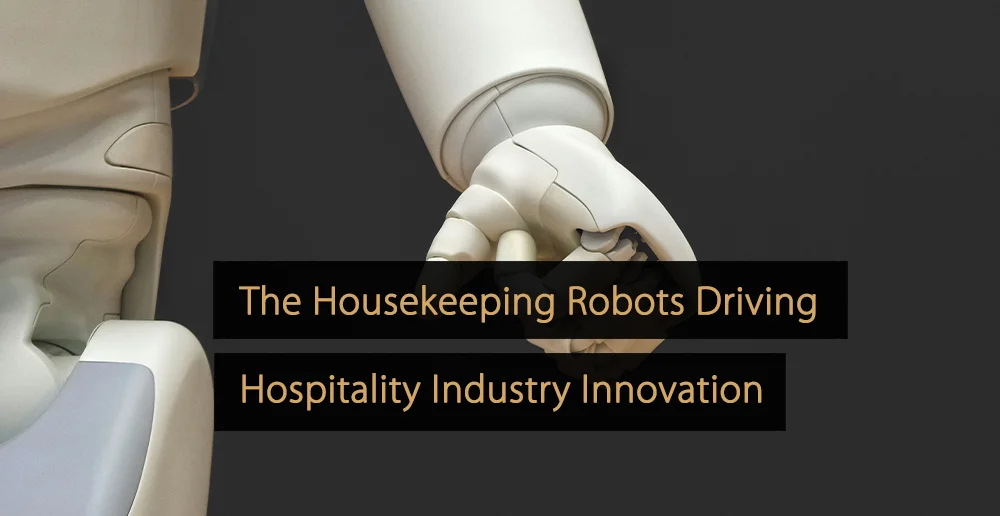
The Housekeeping Robots Driving Hospitality Industry Innovation
Housekeeping robots are machines capable of carrying out tasks typically associated with housekeeping departments, such as cleaning, tidying, and moving objects. These machines are used to reduce the workload of housekeeping staff and improve operational efficiency. In this article, you can learn more about housekeeping robots and explore examples of
AI Agents in the Travel Industry: Use Cases, ROI, and Strategy
AI agents in the travel industry are autonomous software systems that are able to work independently to achieve specific goals. They do not require human intervention and can make decisions and learn from outcomes over time. Within the travel industry, AI agents are useful as the industry currently faces key