



Corporate Event Video Marketing for Hospitality Brands
Every week, hotels, resorts, and event venues host corporate gatherings that represent thousands of dollars in production value: staging, lighting, catering, entertainment, and a room full of engaged guests. And every week, most of that value evaporates the moment the last attendee leaves. The event happened, the client was happy, and the only evidence is a handful of phone photos on someone's camera roll. For hospitality brands, this is one of the most expensive missed

The Real Cost of Your Tech Stack Isn’t Your Subscription Costs
The most expensive part of your technology stack isn't on the invoice. Most hotel operators have been trained to think about technology spend in terms of fees. What does the PMS cost? What are we paying for the RMS? Add up the line items, and you have your technology budget. But that calculation is missing a lot of the bill. The real cost of a fragmented hotel tech stack is measured in hours spent assembling
The Highest-ROI Marketing Channel Most Hotel Groups Ignore
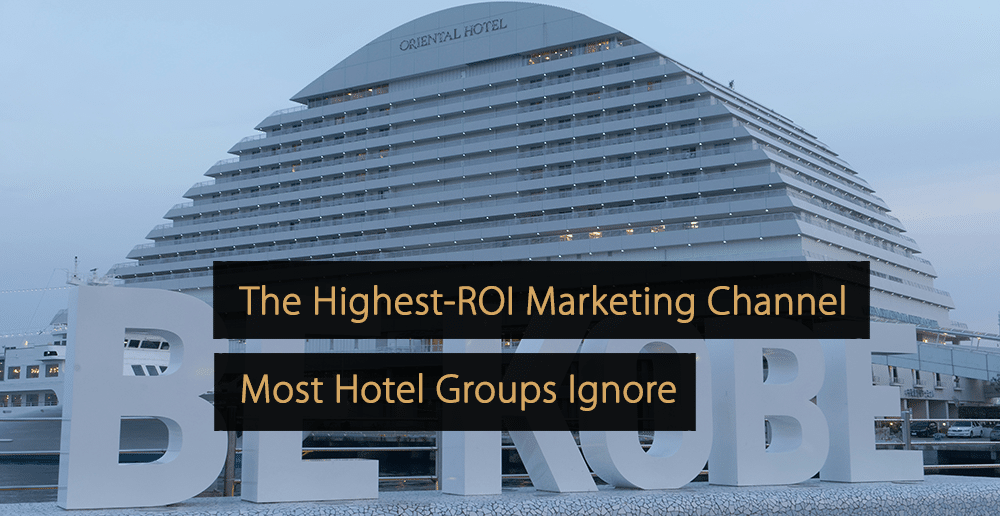
Hotel marketing budgets are under pressure from every direction. Google Ads cost more every quarter, OTA commissions keep climbing, and social media demands constant spend just to stay visible. So when budgets are tight, you'd expect hotel groups to double down on their cheapest, highest-performing channel: talking to guests who've already stayed. But most don't. Most pour 80% of their budget into finding new guests and almost nothing into re-engaging past ones. Your past guests

How Hotel Leaders Can Protect GOPPAR in a High-Cost Market
For years, hotel strategy has run on one assumption: grow RevPAR, and profit takes care of itself. That link is weakening. Revenue is holding steady across most markets, but costs are not, and GOPPAR is under pressure even where the top line looks healthy. For revenue and commercial leaders, the job is shifting. It's no longer only about driving more demand. It's about making sharper decisions on the demand you already have, weighing what each

Beyond the Harbor: Exploring the Hidden Corners of Hvar Town
Hvar Town is often described as the crown jewel of the Adriatic, and anyone who has strolled through its marble streets understands why. Beyond the postcard views of the harbor lined with yachts and the imposing Spanish Fortress overlooking the bay, the Old Town hides a maze of stone alleys, quiet courtyards, and centuries-old architecture that most day-trippers never discover. Beyond St. Stephen’s Square Most visitors begin at St. Stephen’s Square, the largest square in Dalmatia, anchored by the 16th-century Cathedral of St. Stephen. Its bell tower, built in stages over several centuries, offers a striking silhouette against the sky

AI Is Changing the Way We Explore the World – But Is It Enough?
Planning a holiday has changed dramatically over the past few years. Instead of spending hours reading travel blogs, comparing websites, and bookmarking recommendations, many travelers now turn to AI. A single prompt can generate a complete day-by-day itinerary in seconds, complete with attractions, restaurants, transport suggestions, and estimated budgets. AI Has Become the New Travel Planner Whether you're using ChatGPT or the AI assistants built into major travel platforms, planning a trip has never been

How Can AI Agents Improve Hotel Revenue Management
AI agents for hotel revenue management are software systems that pursue revenue goals by taking actions, such as adjusting rates, updating forecasts, and monitoring demand, with limited human input. They are becoming important now because revenue technology is shifting from recommending decisions to executing them, and hotels that define autonomy boundaries early can reprice faster than hotels that wait. Key Takeaways: AI agents are shifting revenue management from periodic pricing decisions to continuous execution within
Corporate Event Video Marketing for Hospitality Brands
Every week, hotels, resorts, and event venues host corporate gatherings that represent thousands of dollars in production value: staging, lighting, catering, entertainment, and a room full of engaged guests. And every week, most of that value evaporates the moment the last attendee leaves. The event happened, the client was happy,
The Real Cost of Your Tech Stack Isn’t Your Subscription Costs
The most expensive part of your technology stack isn't on the invoice. Most hotel operators have been trained to think about technology spend in terms of fees. What does the PMS cost? What are we paying for the RMS? Add up the line items, and you have your technology budget.
The Highest-ROI Marketing Channel Most Hotel Groups Ignore
Hotel marketing budgets are under pressure from every direction. Google Ads cost more every quarter, OTA commissions keep climbing, and social media demands constant spend just to stay visible. So when budgets are tight, you'd expect hotel groups to double down on their cheapest, highest-performing channel: talking to guests who've